

Maxillaria tenuifolia (Coconut Orchid) - very fragrant variety
without flowers - 3 inch pot
Sale price
€16,95
Regular price €18,95
Skip to product information


Maxillaria tenuifolia (Coconut Orchid) - very fragrant variety
Sale price
€16,95
Regular price €18,95
Maxillaria tenuifolia, known as the Coconut Orchid, is a compact species prized for its red flowers with a distinct coconut fragrance. Over time, it forms a dense clump of slender pseudobulbs, and a mature specimen can produce several fragrant flowers during the season.
Light and temperature. Filtered, medium to bright light is suitable. Gentle morning sun can be beneficial, but strong summer sun may scorch the leaves. Intermediate to warm temperatures and gentle air circulation support growth; avoid very dry air, especially near a radiator.
Watering. Water when the substrate is nearly dry, without allowing the fine roots to remain completely dry for long periods. Slightly wrinkled pseudobulbs indicate prolonged thirst; soft bases or brown roots after watering indicate excess moisture. Drainage and a consistent watering rhythm are more important than frequent watering.
Fertilizing and repotting. During the active growing season, apply diluted orchid fertilizer after watering. Repot when new roots appear, using a fine, airy mix; you can adapt the substrate for vigorous-growing orchids with finer bark.
Pot and flowering. A small pot, airy basket, or stable mounting is suitable. Do not divide it frequently: keeping more pseudobulbs together produces a better-balanced plant and, generally, more flowers. The fragrance is strongest in a bright location when the flower is fully open.
Growth and adaptation. In nature, Maxillaria tenuifolia grows epiphytically, with its roots exposed to the air and periods of rain alternating with partial drying. Indoors, it does not need a severe rest period; it needs an airy substrate that dries predictably and room to spread laterally. Each new growth eventually becomes a pseudobulb that helps the clump support its next flowering.
Seasonal rhythm. In summer, under brighter light, check the substrate more often, as the pot may dry quickly. In winter, reduce watering only because light levels and water consumption decrease, not to keep the plant completely dry. Firm leaves and plump pseudobulbs indicate a good rhythm; very dark leaves or slow growth indicate insufficient light. After flowering, continue normal care and avoid moving or dividing the plant unnecessarily.
📌 Note: The current batch of Maxillaria may have dehydrated, slightly wrinkled, or contracted pseudobulbs. This may occur as a result of the cultivation period, handling, transport, and adaptation to new environmental conditions and does not automatically indicate a viability problem.
With proper light, humidity, watering, and ventilation, the plant can continue growing normally and produce new growth.
Promoție valabilă de la data de 01.09.2026, în limita stocului disponibil.
You may also like...
T
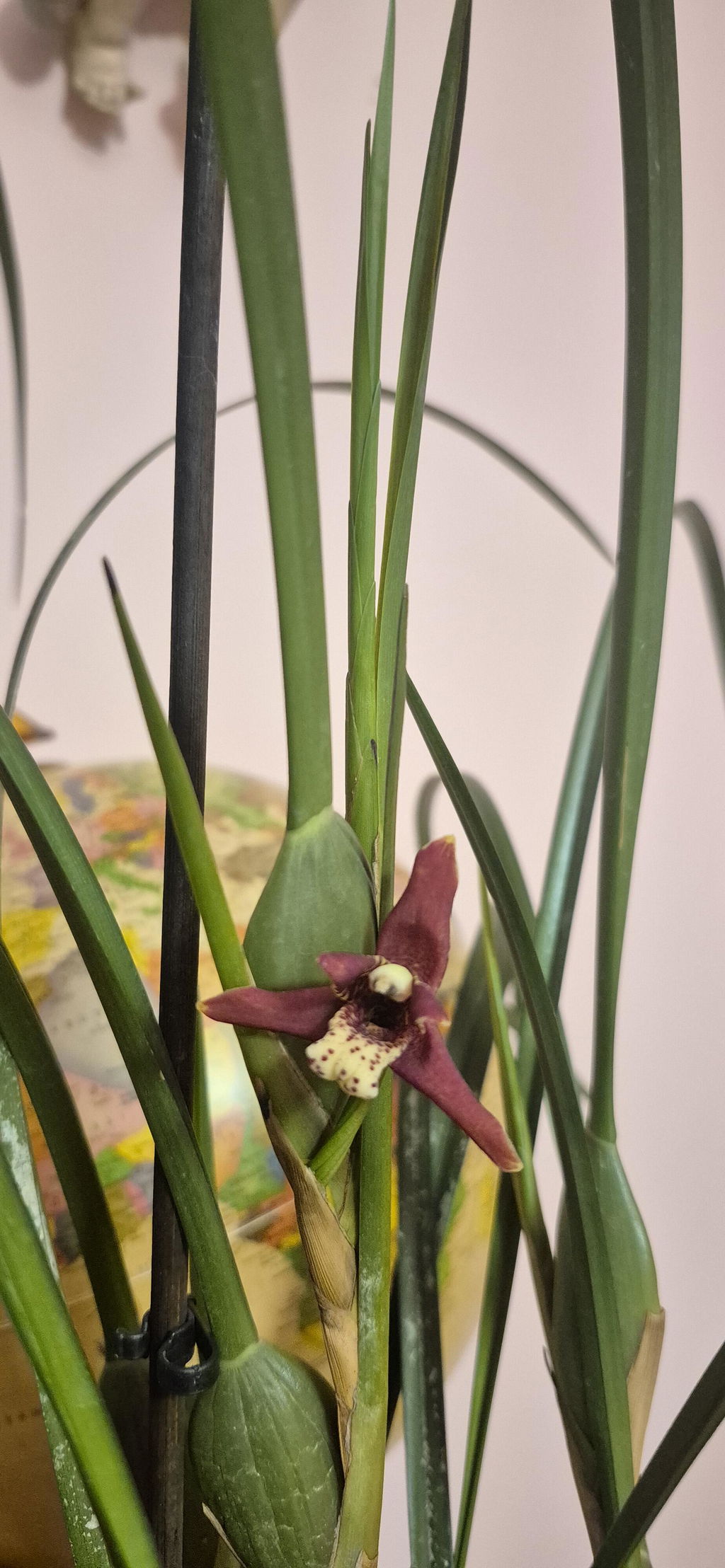
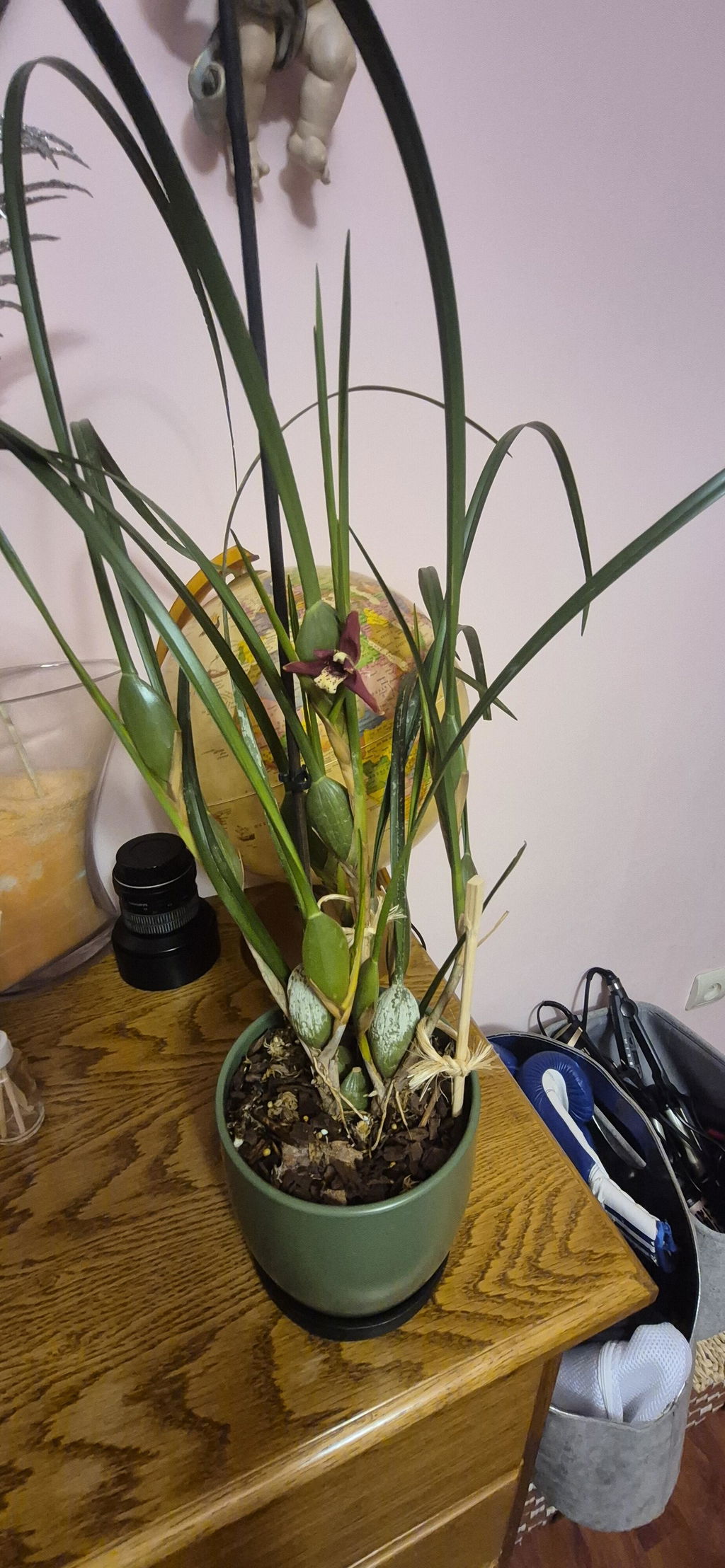
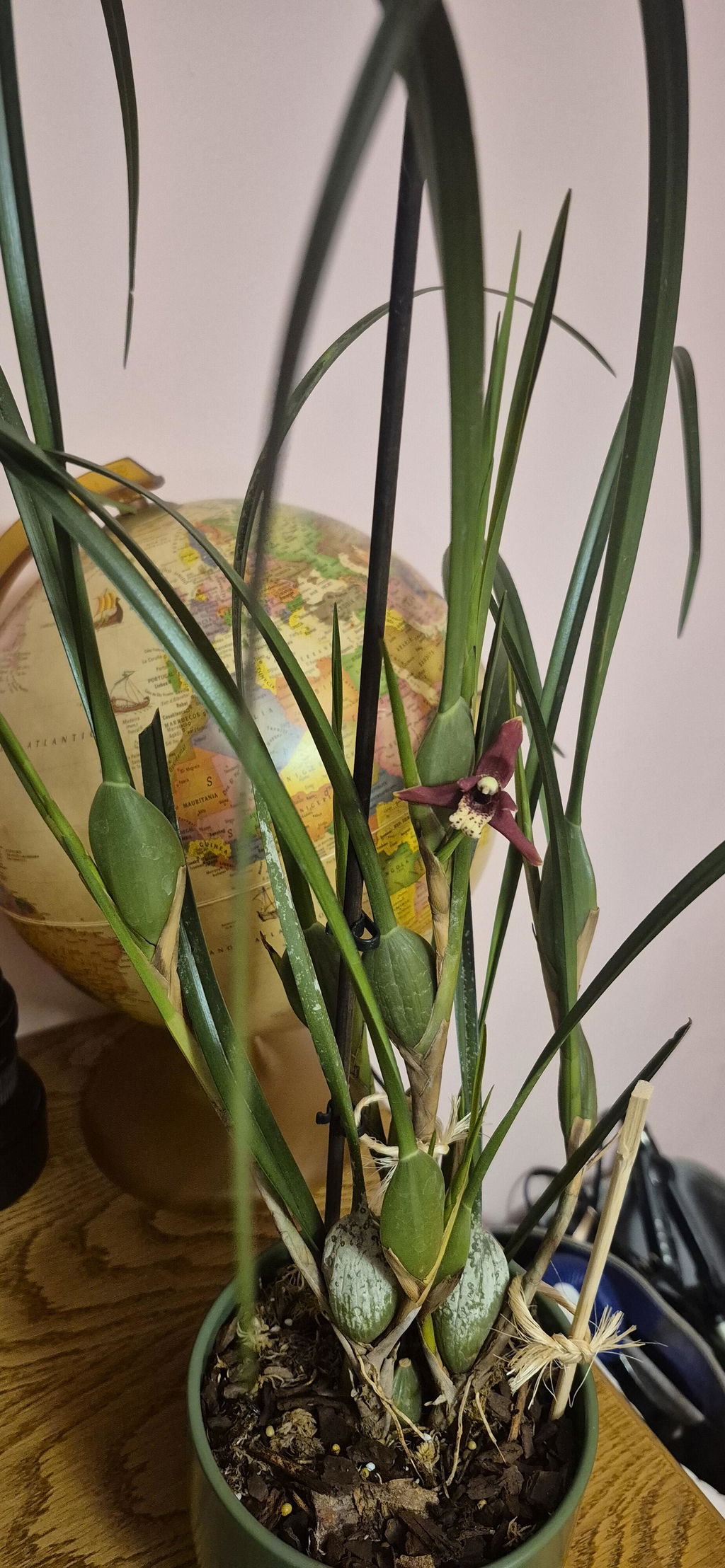
Această varietate de orhidee mi-a sosit deosebit de bine ambalată, şi într-o stare foarte bună. Am transplantat-o, are creşteri noi şi prima floare parfumată. Aştept să înflorească toată. Totul a decurs perfect per general.
C
Superb!
M
EXCELENT
I
Planta arată destul de bine
M
O planta suuper , imi lipsea din colectie , sper sa ne intelegem. O recomand .
A
Planta de calitate si fara probleme (virusi, daunatori). Recomand cu siguranta pe Secret Garden.
F
Este micuța, dar superbă. A mea a avut 3 flori cand am cumpărat-o, miroase incredibil de frumos. Mulțumită de achiziție.