

Phalaenopsis speciosa 'Purple Mountain' - fragrant
initiated stem - 2.5 inch pot
302,00 kr
Skip to product information


Phalaenopsis speciosa 'Purple Mountain' - fragrant
302,00 kr
Phalaenopsis speciosa 'Purple Mountain' is a selection of the species Phalaenopsis speciosa, from the Andaman Islands, Nicobar Islands, and Borneo, found at low elevations. In recent taxonomy, speciosa is often treated as a synonym of Phalaenopsis tetraspis; both names remain in use commercially. The plant is medium-sized, approximately 15–20 cm tall, with 10–25 cm leaves and 2–5 lateral, arching or semi-pendent flower spikes. The flowers are waxy and fragrant, usually around 4.5 cm across, with natural variation in color and pattern.
Flowering is often sequential: the flowers open one after another on multiple spikes. The background may be white, with purple, lilac, or red areas, sometimes covering almost the entire flower. Each flower may look slightly different on the same plant.
It requires moderate to bright, filtered light, approximately 18,000–22,000 lux, with protection from strong sunlight and ideally around 12 hours of light per day. Suitable temperatures are around 22–28°C during the day and 18–22°C at night; a 3–4°C difference between day and night helps promote flowering. It does not need a severe rest period.
Water when the substrate dries out, then allow the water to drain completely. Do not allow water to remain trapped between the leaves. In a pot, humidity of 55–60% is usually sufficient; when mounted, aim for around ~70%. During active growth, apply diluted fertilizer—about half the recommended dose—after watering, approximately every third watering, using orchid fertilizer. Use a well-aerated, medium-grade bark. A Phalaenopsis substrate is suitable if it dries at the rate appropriate for your home. Repot after flowering, when new roots appear.
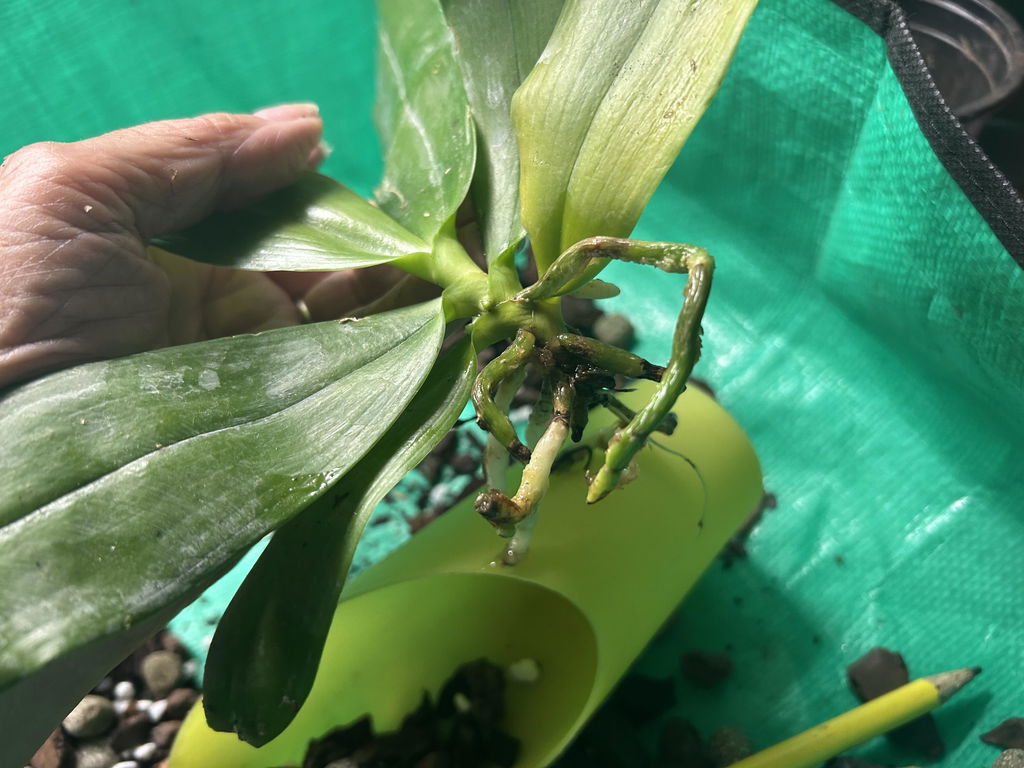
If the plant produces many spikes but few flowers, check the light and fertilization. Bud drop often indicates dry air, a sudden change in location, or damaged roots. Soft roots and a sour smell indicate overwatering.
You may also like...
M
Espero que recupere las hojas, venían un poco amarillas
A
buona anche se di un colore grigio marroncino
G
The orchid is beautiful, in full bloom, and in perfect condition!