Hoya vangviengiensis
without flowers - 12 cm pot
Sale price
82,00 zł
Regular price
100,00 zł
Skip to product information


Hoya vangviengiensis
Sale price
82,00 zł
Regular price
100,00 zł
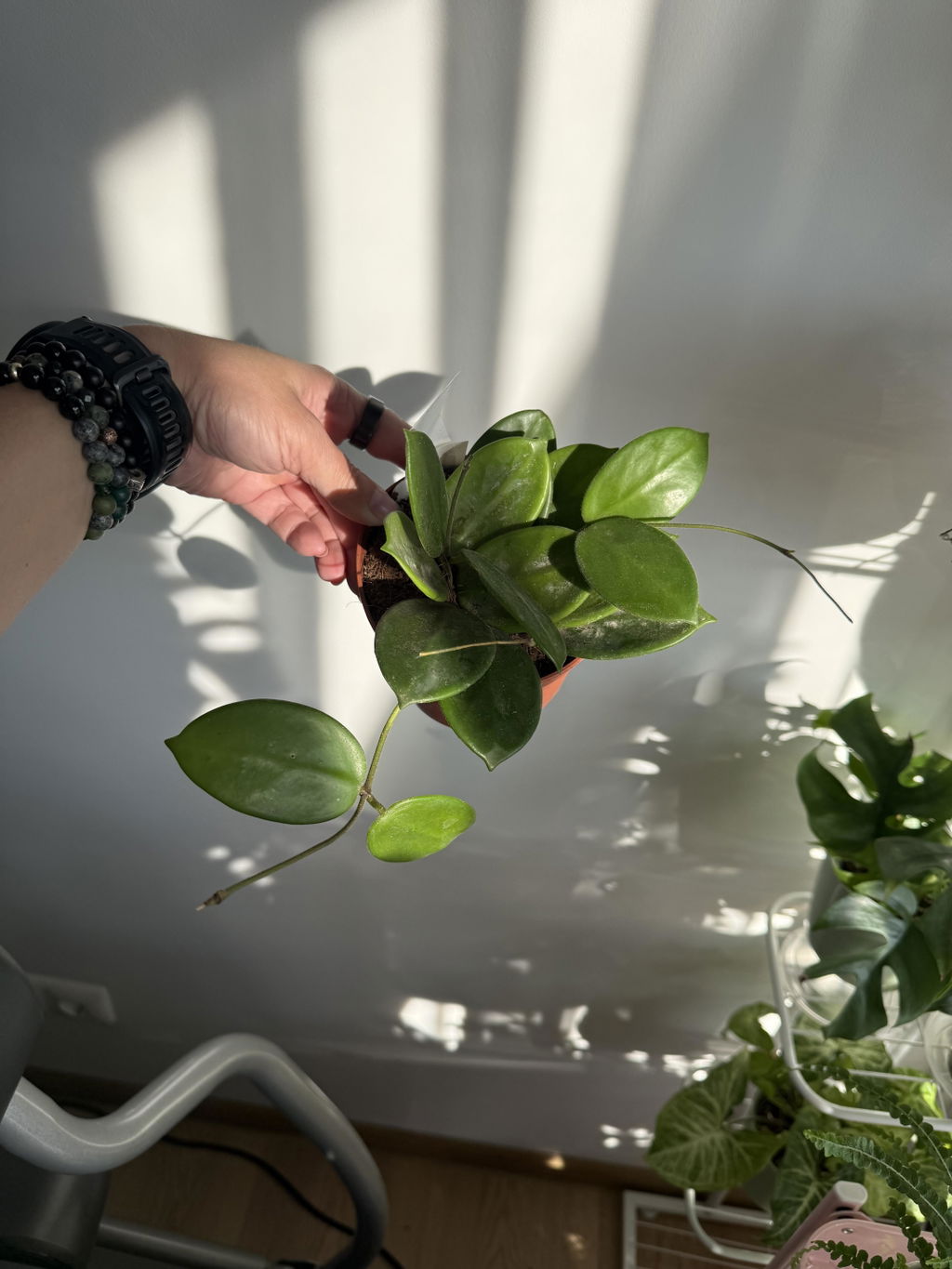
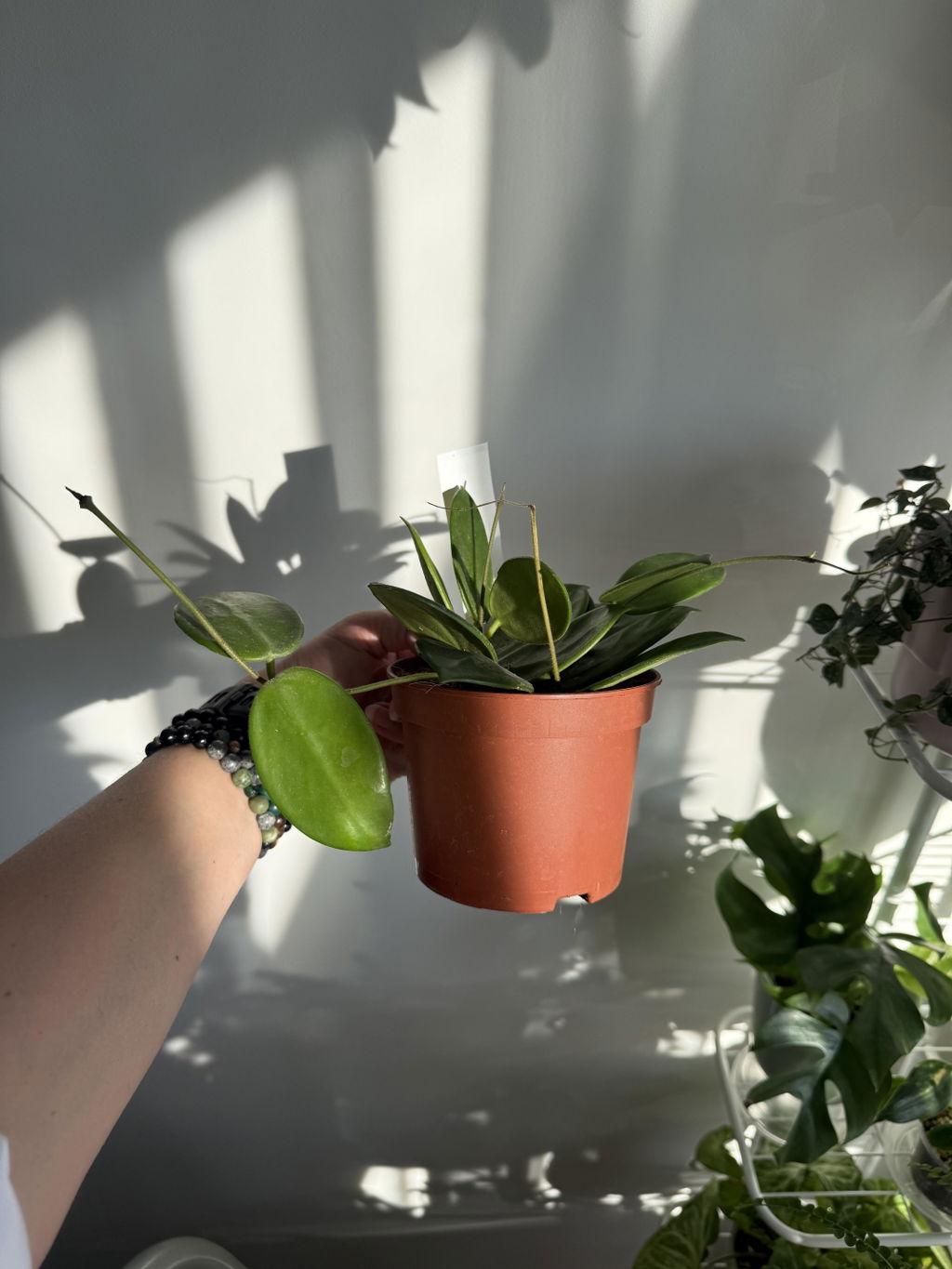
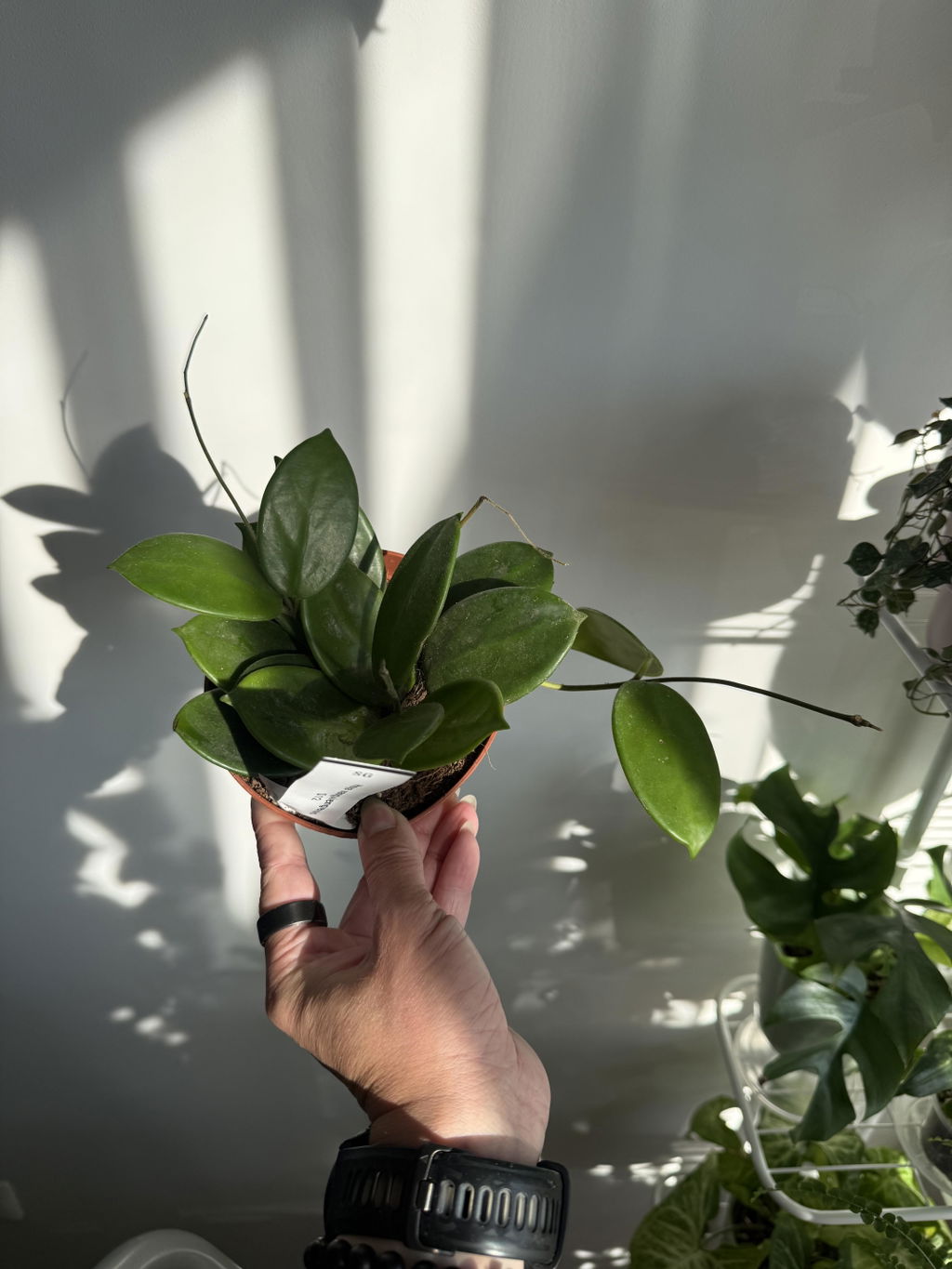
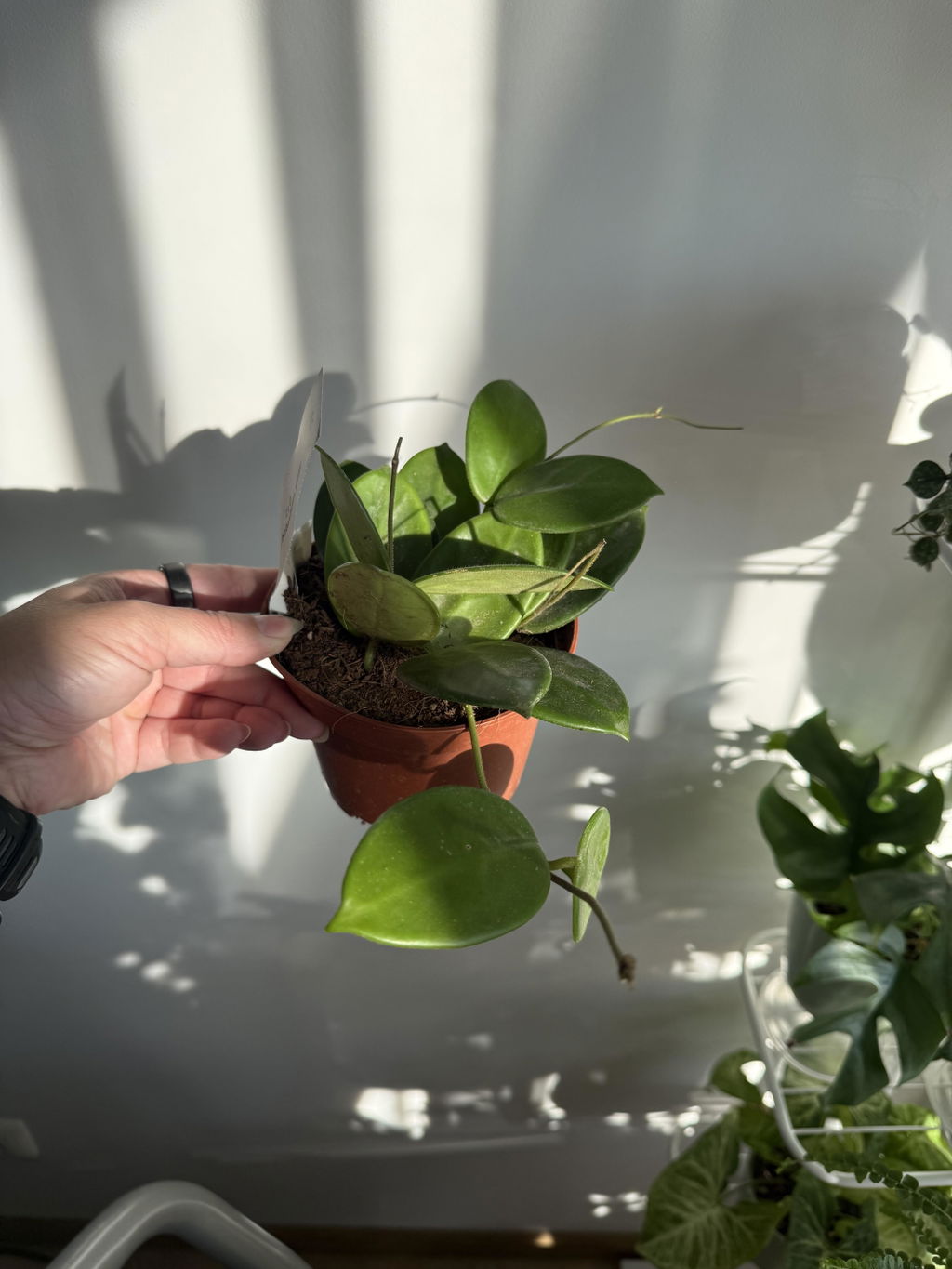
Hoya vangviengiensis is an accepted botanical species native to Laos and southern Yunnan Province, China. The foliage is fleshy, ovate-lanceolate, with raised veins and fine pubescence. The leaves become more substantial as they mature, while their shape changes as the vine grows. It has an epiphytic vining habit. Under good growing conditions, pale, fragrant umbels may appear. Flowering depends on the plant’s maturity and growing conditions.
Identity and origin. The accepted name is Hoya vangviengiensis Rodda & Simonsson, published in 2012. The species was described from the limestone formations around Vang Vieng, Laos, and its presence was later documented in southern Yunnan as well. It is not a horticultural variety. Importation from Taiwan does not change its native range.
Foliage. The leaves are fleshy, ranging from ovate-lanceolate to broadly lanceolate, with a visible midrib and secondary veins. The surface has fine hairs, which are more noticeable on young shoots. The commercial comparison to a boat describes only the curvature of the leaf blade, not a diagnostic characteristic. The shape and proportions vary as the plant matures.
Flowers and fragrance. The flowers appear in umbels and are pale and pubescent. The original description mentions white, faintly fragrant flowers; material from China produced white flowers with pink spots and a stronger fragrance. In this batch, the umbels are creamy white, with a pale corona. The colour and fragrance intensity may vary. Flowering depends on the plant’s maturity and growing conditions.
The ceramic pot is not included in the price.
Substrate: use an airy, well-draining mix suitable for epiphytic species. We recommend the professional substrate for Hoya and Anthurium - SG Mix.
For complete recommendations on light, watering, substrate, fertilization, propagation, and flowering, read the complete Hoya care guide.
Promoție valabilă de la data de 01.09.2026, în limita stocului disponibil.
You may also like...
A
Absolutely beautiful Hoya! 🌿🤍
The plant arrived very healthy, lush and much bigger than I expected. It was carefully packed and looked great straight out of the box.
This was not my first order from Secret Garden Plant Shop, and once again I was very happy with the quality of the plants. All the Hoyas I received were beautiful, strong and in excellent condition. I will definitely order again.