

Hoya kerrii 'Albomarginata' (Taiwan)
without flowers - 2.5 inch pot
Sale price
€18,95
Regular price
€21,95
Skip to product information


Hoya kerrii 'Albomarginata' (Taiwan)
Sale price
€18,95
Regular price
€21,95
Hoya kerrii 'Albomarginata' is a variegated horticultural selection cultivated for its thick, fleshy, heart-shaped leaves, with a green center and cream to pale yellow margins. The stems gradually form a climbing vine, while the foliage contrast may vary from one leaf to another. At maturity, the plant can produce umbels of waxy flowers, fragrant especially at night, in shades of cream and pink, with a red-purple center and abundant nectar.
Accepted botanical name of the species. Hoya kerrii Craib
Species origin. Cambodia, Java, Laos, Malaya, Thailand and Vietnam.
Hoya kerrii was published by William Grant Craib in 1911. The species name honors Arthur Francis George Kerr, a botanist and collector who studied the flora of Thailand and Southeast Asia.
Foliage and growth habit. The leaves are simple, opposite, thick and fleshy, with a distinctive cordate shape. The green center is framed by cream-white to creamy-yellow margins, while the width and distribution of the variegation may naturally vary between leaves. The plant develops long, climbing stems that can be trained on a support; some sections of the vine may temporarily remain leafless before continuing to grow.
Hoya kerrii is recognized as a "cactus hoya"—the plant does well with infrequent watering and average to low atmospheric humidity and is easy to bring into bloom.
Flowers and fragrance. The small, waxy flowers appear in umbels and range from cream to pale pink, with a pink-purple or dark red center. The fragrance is most noticeable at night. The flowers may produce large amounts of reddish-brown nectar, which can drip and stain textiles or surfaces directly beneath the plant. Flowering depends on the maturity of the specimen and growing conditions.
The ceramic pot is not included in the price.
Substrate: use an airy, well-draining mix suitable for epiphytic species. We recommend the professional substrate for Hoya and Anthurium - SG Mix.
For complete recommendations on light, watering, substrate, fertilizing, propagation and flowering, read the complete Hoya care guide.
Promoție valabilă de la data de 01.09.2026, în limita stocului disponibil.
You may also like...
I
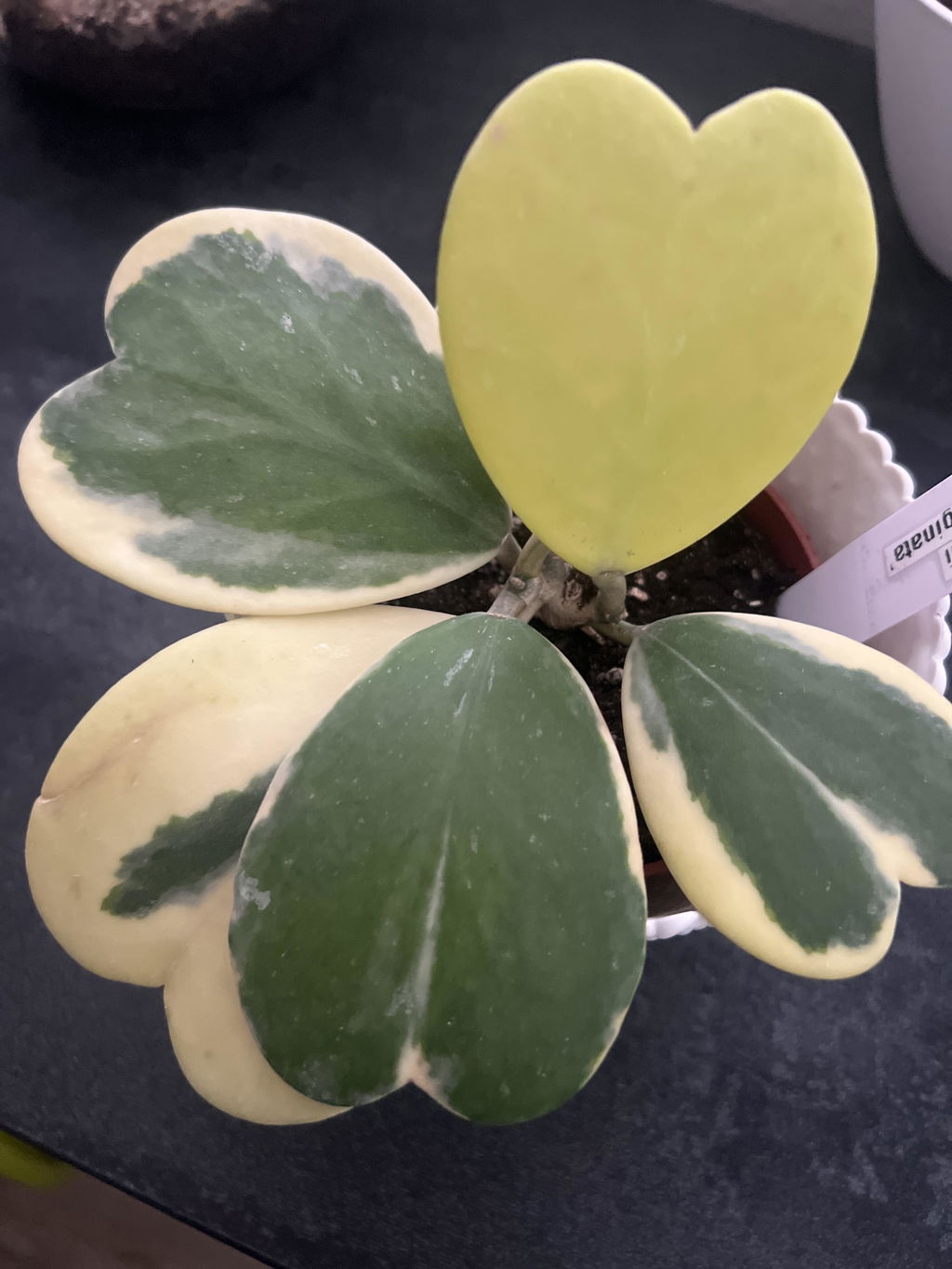
Krásna rastlinka.Milujem♥️
T
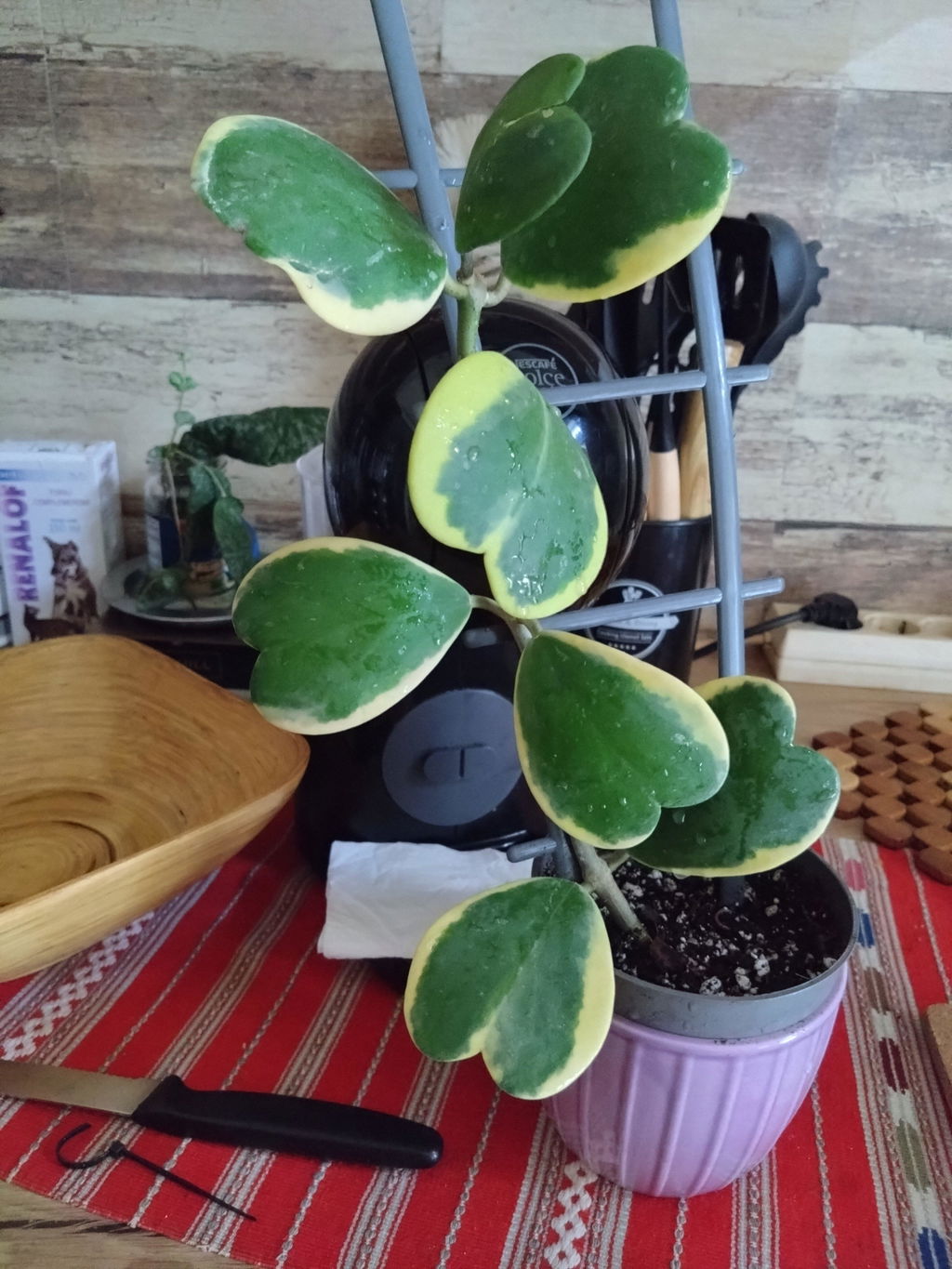
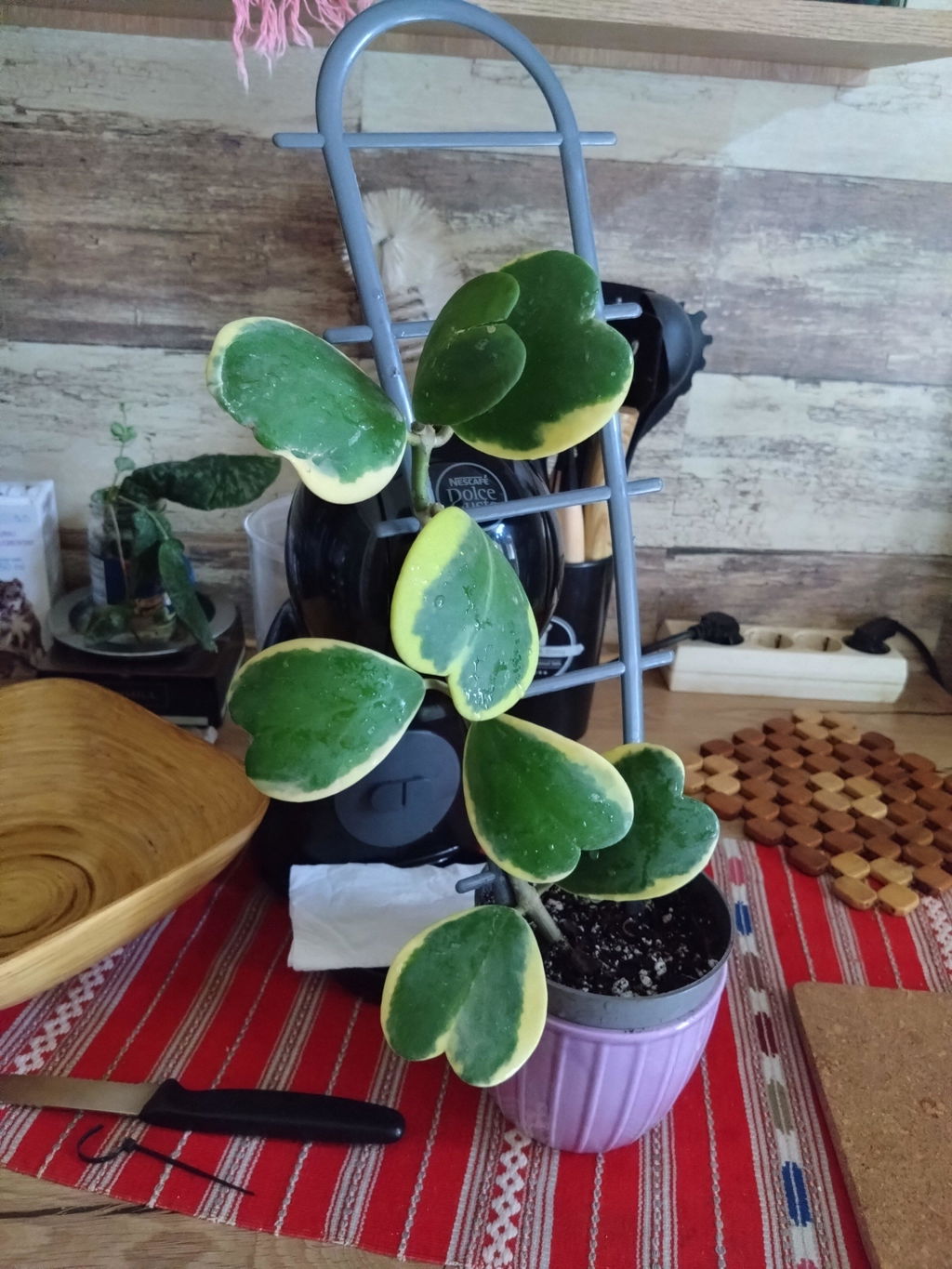
Destul de mare și bogată.Ambalata bine.
S
5 estrelas 🥰
i
Llegó en perfecto estado. La planta es preciosa, tal cual la foto.
A
Absolut magnifica!
C
O planta in care se imbina magia,minunea si frumusetea Va multumesc pentru ca existati
O
Planta superba!
v
deosebita
T
Exemplar foarte frumos!
A
ottimo rapporto qualità prezzo!
A
Tolle Pflanzen. Sehr gut verpackt und schneller Versand.