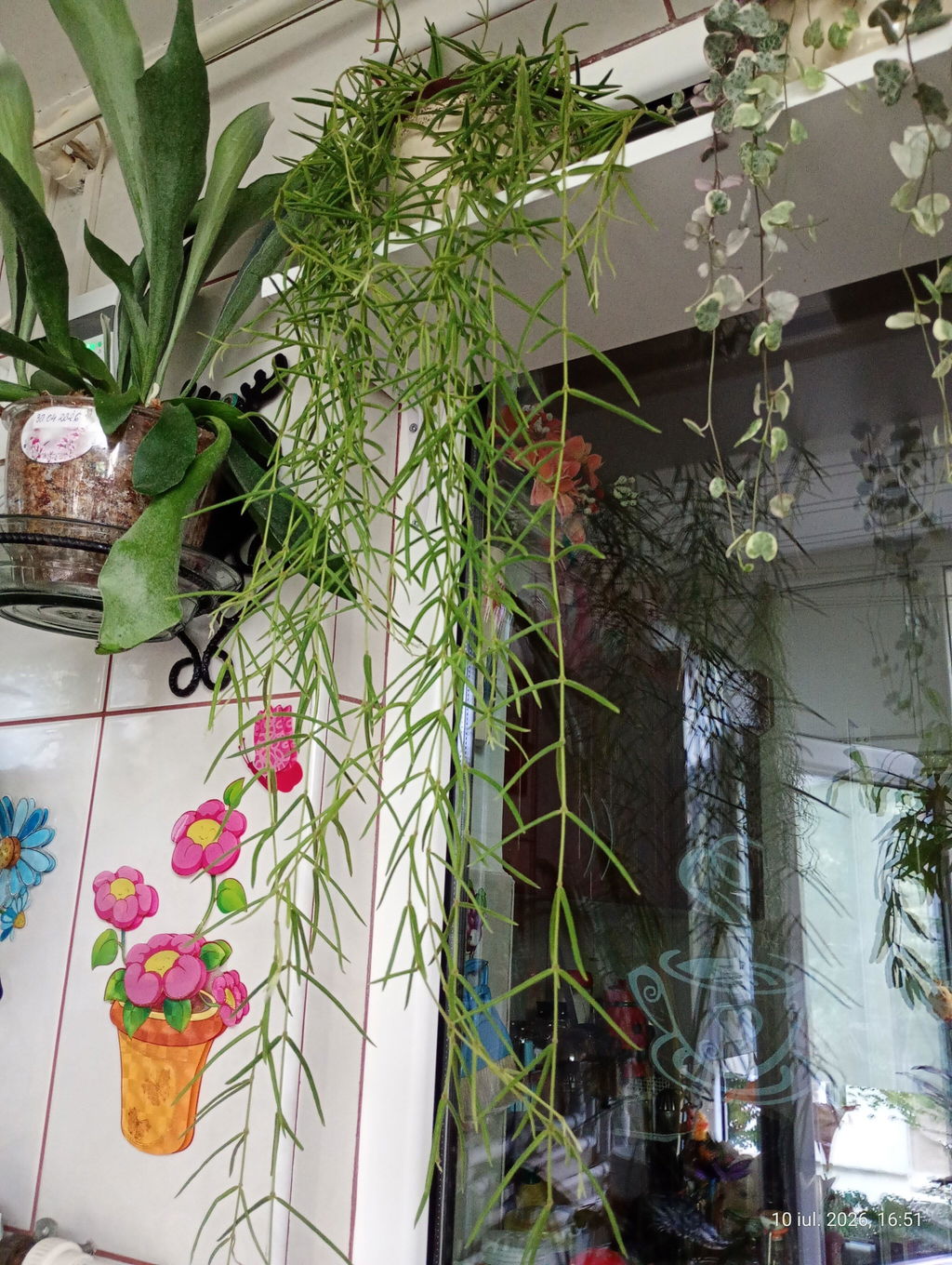
Hoya linearis - fragrant flowers, large specimens
without flowers (14 cm pot with hanger)
€30,95
Skip to product information


Hoya linearis - fragrant flowers, large specimens
€30,95
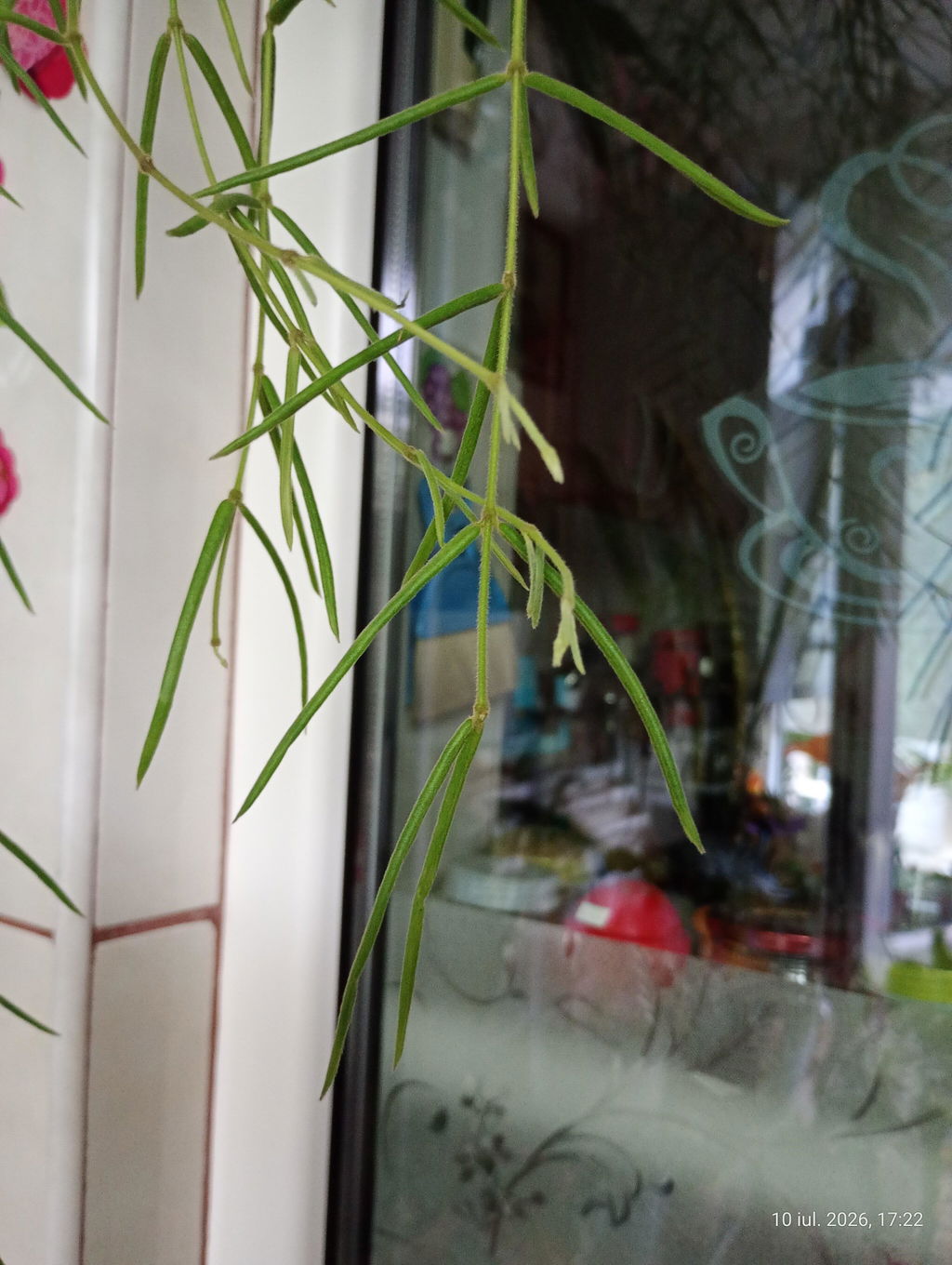
Hoya linearis Wall. ex D.Don is a pendent epiphytic species native to an area extending from Nepal to southwestern China and Indochina. In subtropical mountain forests, its fine stems hang from branches and form light curtains of foliage. The narrow, soft, finely hairy leaves immediately distinguish it from broad-leaved, waxy Hoya species, while the white, fragrant flowers complete the delicate appearance of mature specimens.
Foliage and pendent growth. The stems are thin, flexible, hairy, and can reach approximately 1.5 m, with a naturally trailing habit. The leaves emerge in opposite pairs and are linear, fleshy, finely hairy, and up to approximately 5 cm long. Their light green color and soft texture give the plant the appearance of a dense cascade, making it suitable for hanging pots or high shelves.
In its habitat, the species grows as an epiphyte in montane evergreen forests documented at approximately 1,500–2,000 m above sea level. Its subtropical, montane origin sets it ecologically apart from many lowland tropical Hoya species.
Flowers and fragrance. The flowers are white, star-shaped, and usually grouped in umbels of approximately 10–13 flowers. The corona may have yellowish tones and a slight pink hue in the center. The flowers are fragrant, and growers often describe the scent as fresh, with lemon notes; its perception and intensity may vary depending on the time of day and growing conditions. An inflorescence may remain decorative for approximately two weeks.
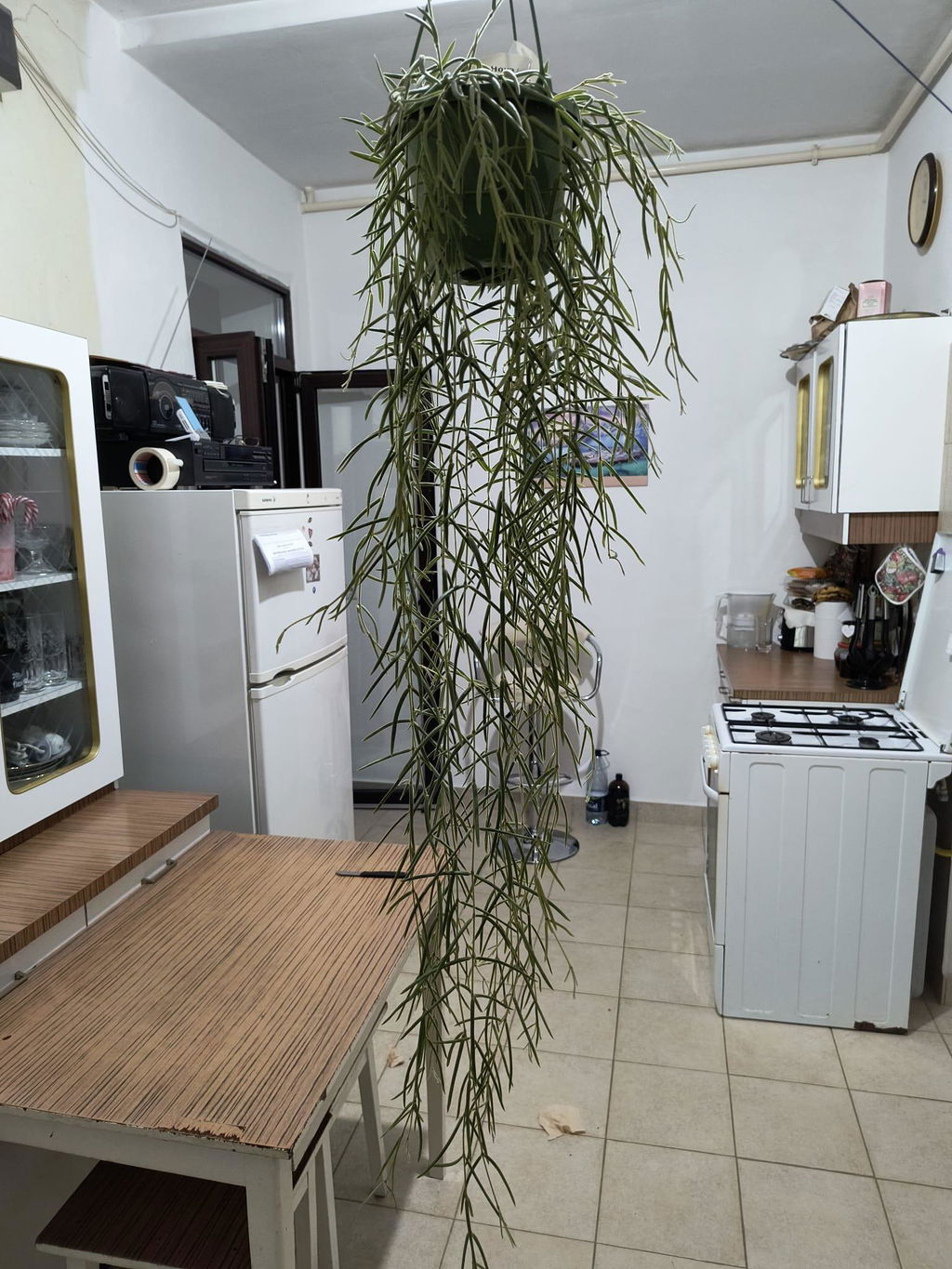
Large specimens with long vines and a full growth habit. The vines may have mechanical damage or scars resulting from growth, handling, and transport. In flowering specimens, temperature fluctuations during transport may cause the flowers to drop.
Substrate: use an airy, well-draining mix suitable for epiphytic species. We recommend the professional substrate for Hoya and Anthurium - SG Mix.
For complete recommendations on light, watering, substrate, fertilization, propagation, and flowering, read the complete Hoya care guide.
You may also like...
T
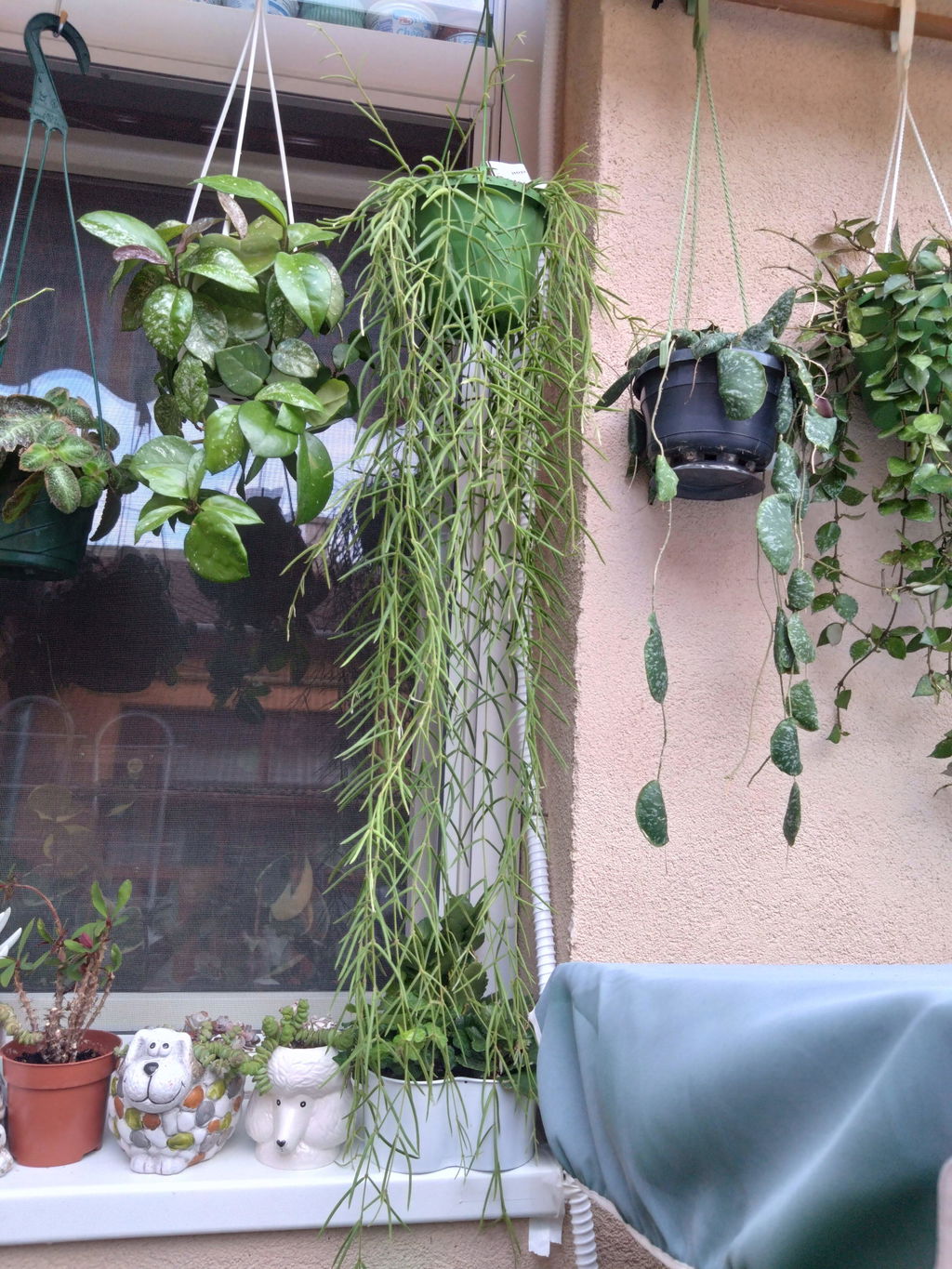
Mare și frumoasă. Ambalată foarte bine. Mulțumesc!
T
Interesantă ! Cred că are și bobici !
Livrare rapidă și ambalare impecabilă !
Mulțumesc !