

Hibiscus variegat rosa-sinensis var. cooperi 'Snowflake', 'Snow Queen'
€15,95
Skip to product information


Hibiscus variegat rosa-sinensis var. cooperi 'Snowflake', 'Snow Queen'
€15,95
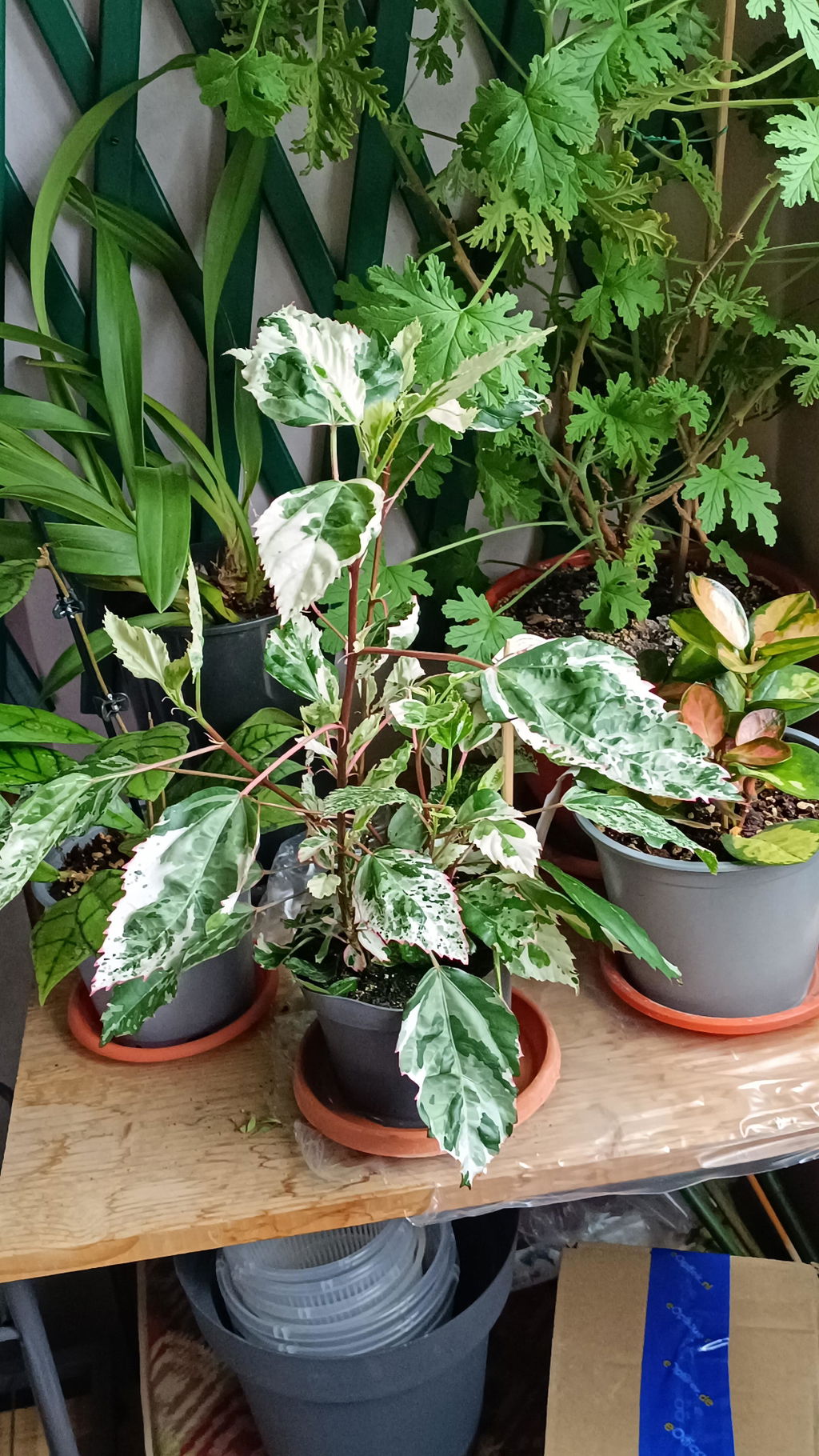
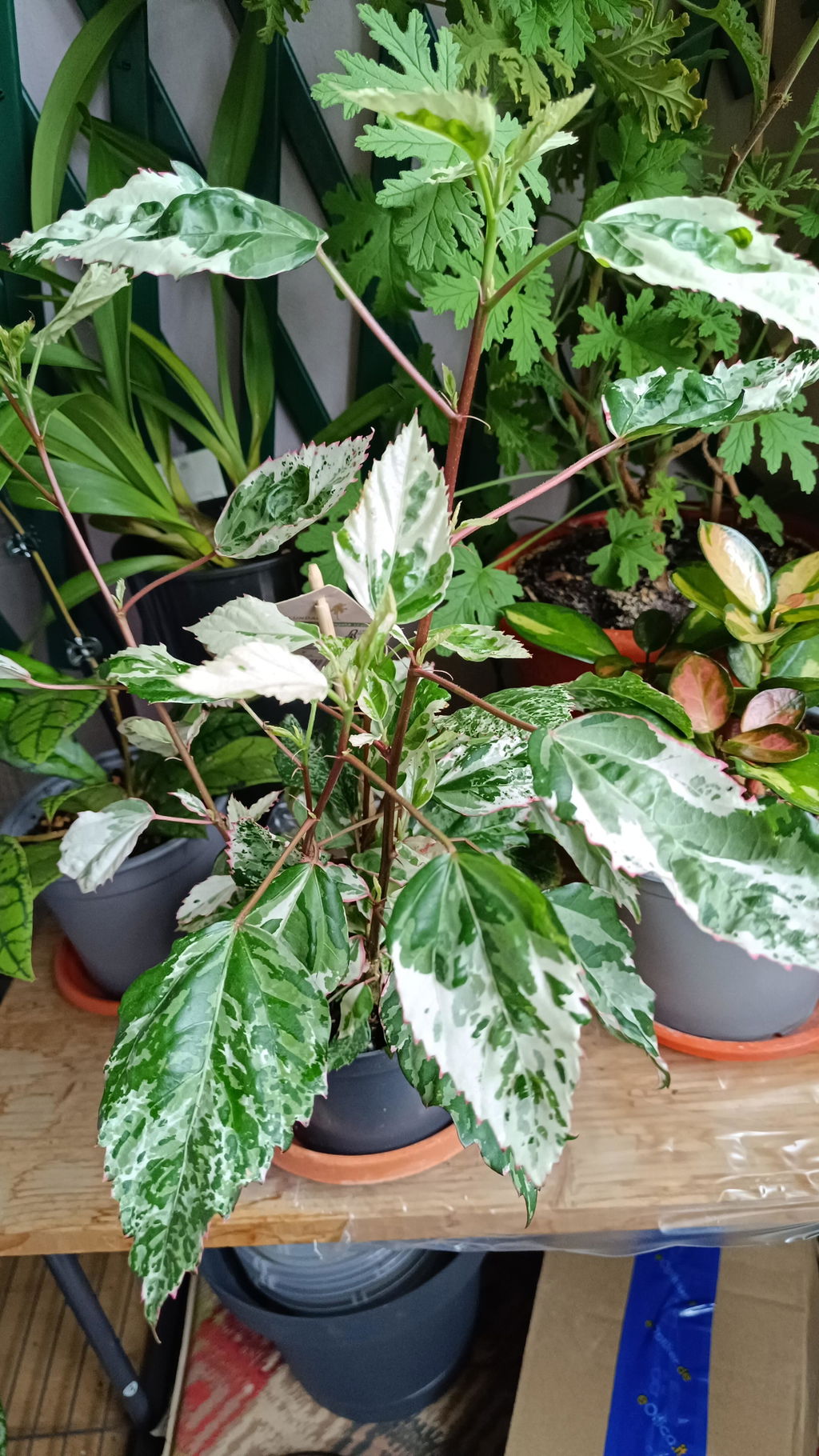
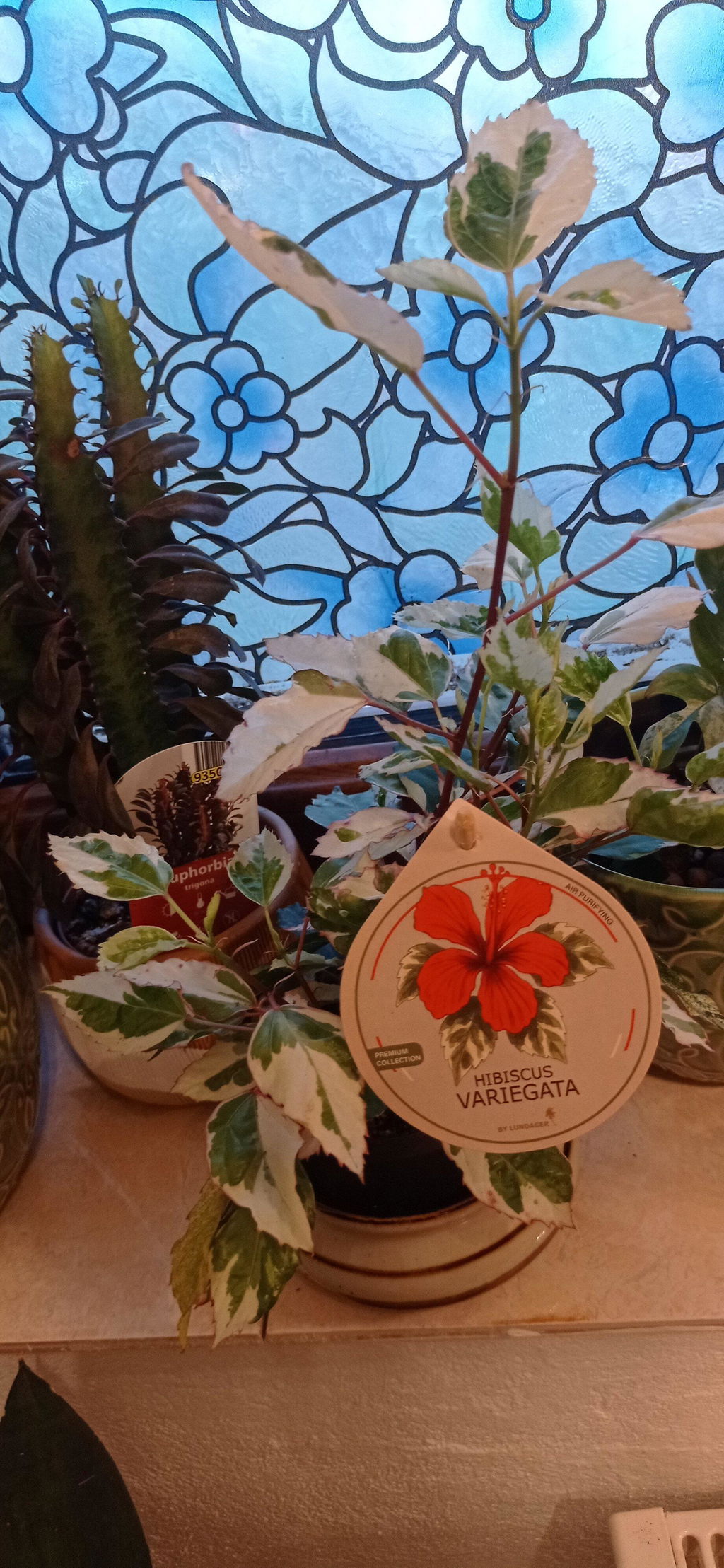
Hibiscus rosa-sinensis var. cooperi is a spectacular variety of tropical hibiscus, known for its unique variegated foliage in shades of green, creamy white, and pink, adding an exotic touch even when the plant is not flowering. The two popular forms, ‘Snowflake’ and ‘Snow Queen’, are very similar, differing in the intensity of their variegation and color contrasts.
🌿 Botanical characteristics:
Full name: Hibiscus rosa-sinensis var. cooperi ‘Snowflake’ / ‘Snow Queen’
Common name: Variegated Hibiscus, variegated Chinese rose
Family: Malvaceae
Growth habit: Tropical shrub grown for its ornamental foliage and flowers
Leaves: Spectacularly variegated in shades of green, creamy white, and pink; the white contrast is more pronounced in ‘Snow Queen’, while the variegation is finer and more dispersed in ‘Snowflake’
Flowers: Large, in vibrant shades of red, pink, or orange, typical of tropical hibiscus; they appear throughout the warm season under optimal conditions
This variety is intended for indoor cultivation.
Here are some tips for properly caring for this plant:
Light: Hibiscus sinensis loves sunlight, so it is best placed where it can receive direct sunlight for at least a few hours each day. If kept indoors, choose a well-lit windowsill.
Watering: This plant requires regular and consistent watering. The soil should be kept moist. Make sure the soil has good drainage to prevent waterlogging.
Temperature and humidity: Hibiscus sinensis prefers warm temperatures and relatively high humidity. If the air in your home is dry, you can use a humidifier or place bowls of water near the plant to increase humidity.
Fertilizing: Fertilize the hibiscus once a month during the growing season (spring and summer) with a balanced, potassium-rich fertilizer.
Pruning and trimming: Regular pruning helps maintain the plant’s shape and encourages the growth of new flowers. You can trim the tips of the plants to encourage branching.
Protection against pests and diseases: Watch for signs of pests such as aphids or mites. Also, avoid overwatering, which can encourage fungal diseases.
Note: Plant size varies, and each pot may contain a different number of specimens at different stages of development. Variegation is unique to each specimen. Some leaves may have spots or imperfections, especially in the variegated areas.
Height including pot: 25-35 cm
Pot diameter: 11.5 cm
The plant is sold without flowers.
You may also like...
A
Foarte frumos, bogat. A ajuns perfect dupa transport. In ghiveci erau 4 plantute, nu 2. Multumesc!
R
A sosit frumusetea, are 25-35 cm inaltime, e micuta, e draguta, cu frunze foarte frumoase. Va multumesc! 🌺
P.s. fara boboci, fara flori, cumparatorul Anonim mi se pare ca a gresit planta; 😉
I
Vă recomand cu drag
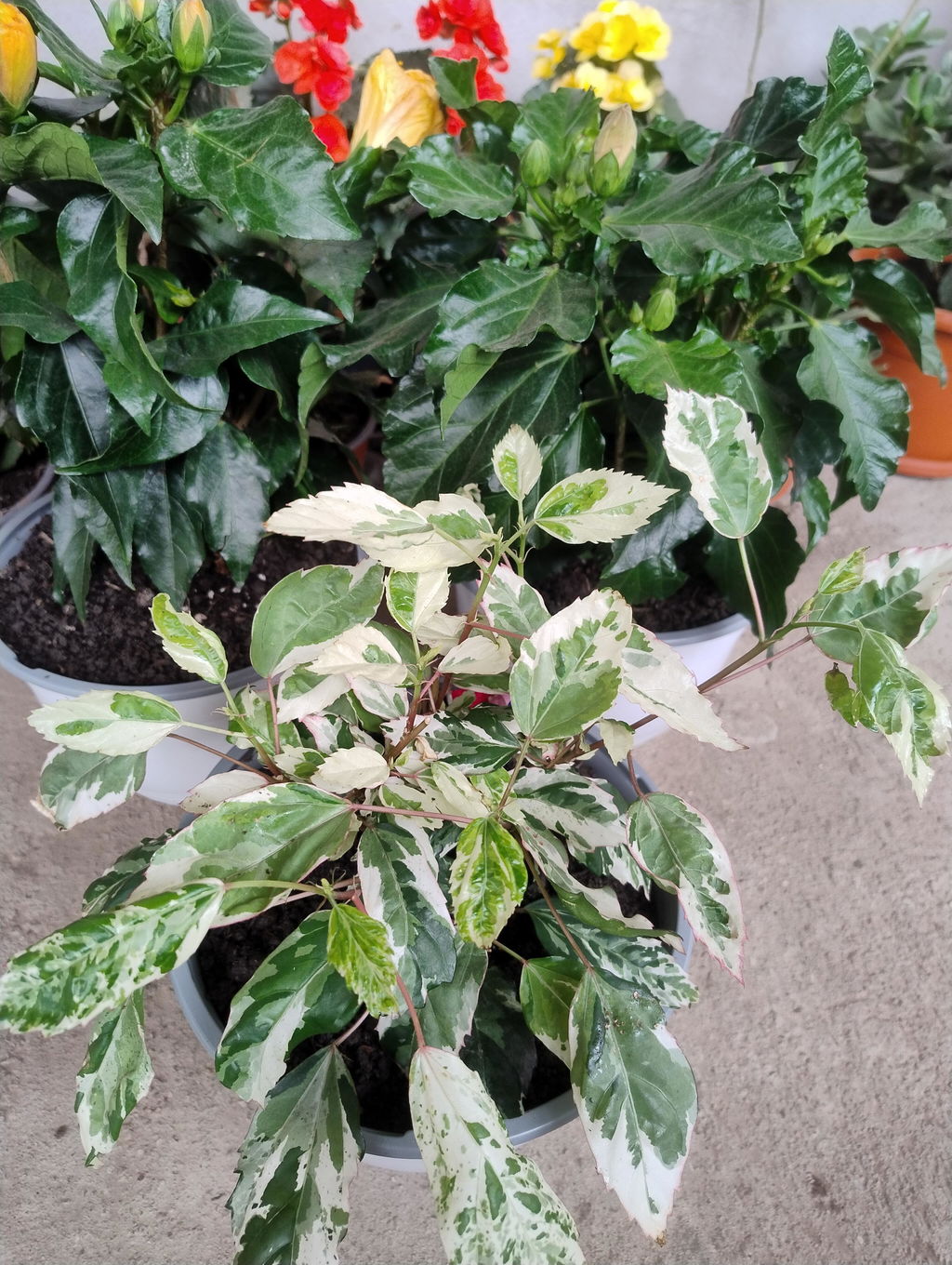
Trandafiri japonezi foarte frumoși
P
Recent am achizitionat mai multe flori de pe acest site, iar impresia a fost una de nota 5*.
Florile sunt foarte sanatoase, foarte bine si cu grija ambalate.
Cu siguranta am sa mai comand de pe acest site minunat
A
Super
A
Sunt minunati! ❤
Au venit foarte bine impachetati, cu flori si plini de boboci!
Cu siguranta voi mai comanda.
Multumesc, Secret Garden! :)