

Epiphyllum anguliger – zig-zag cactus with sculptural leaves and fragrant flowers
10.5 cm pot
€7,95
Jump to product information


Epiphyllum anguliger – zig-zag cactus with sculptural leaves and fragrant flowers
€7,95
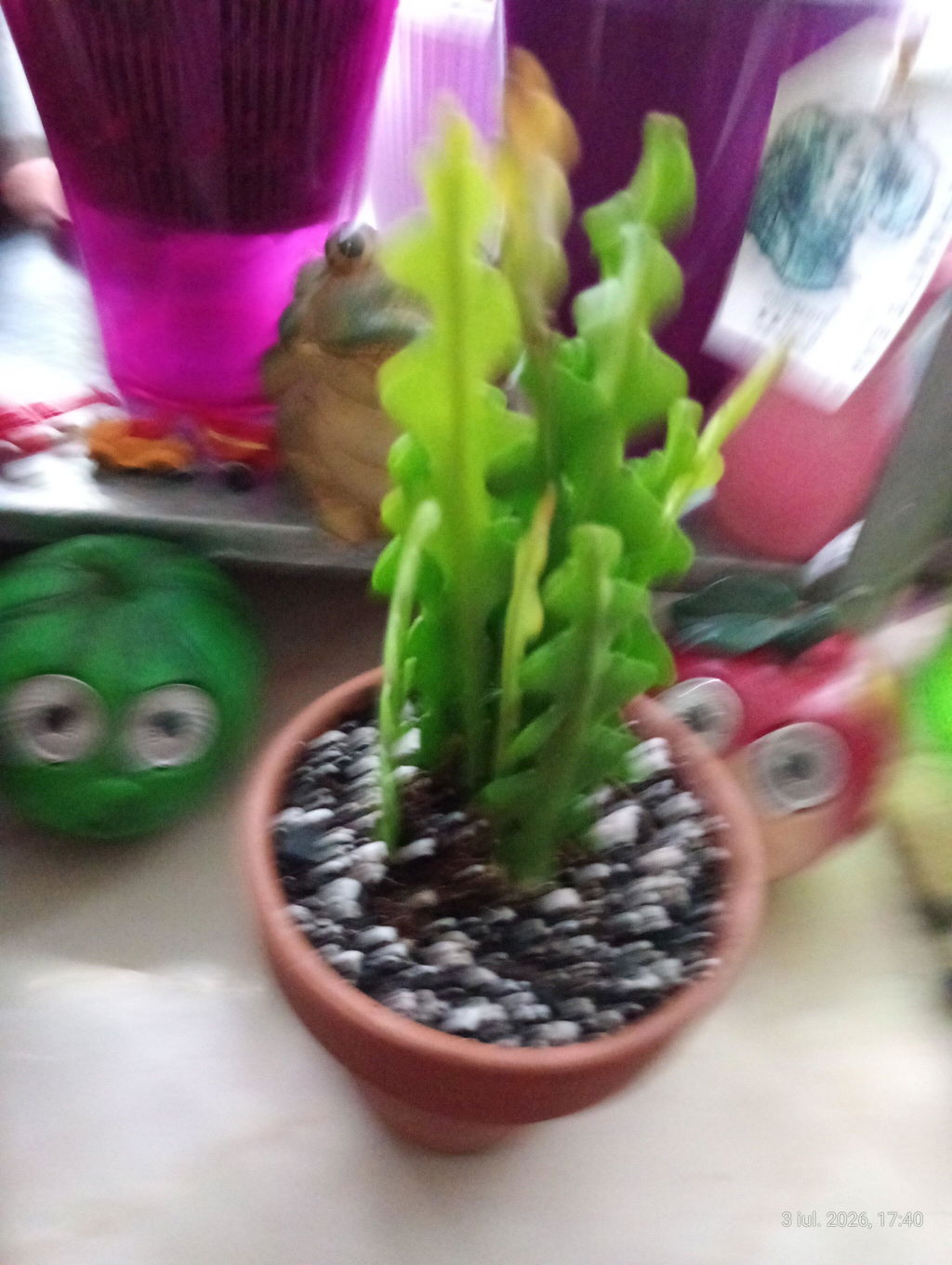
Epiphyllum anguliger, commonly known as zigzag cactus, fishbone cactus, or ric rac cactus, is an epiphytic plant native to the tropical forests of Mexico. It stands out through its flat, dark green leaves with deeply jagged edges, creating a dramatic and modern visual effect, ideal for decorating urban or bohemian-style interiors.
Under optimal conditions, it produces large, fragrant, cream-white or yellowish flowers that open in the evening and may last until the following day.
🌿 Botanical characteristics:
-
Scientific name: Epiphyllum anguliger
-
Family: Cactaceae
-
Common names: zigzag cactus, fishbone cactus
-
Plant type: tropical epiphyte, ornamental for its foliage and flowers
-
Leaves: flat, fleshy, with zigzag-shaped edges
-
Flowers: white, yellowish, or cream-colored, fragrant, opening at night
-
Growth habit: trailing or cascading, ideal for hanging pots
☀️ Growing conditions:
-
Light: bright indirect light – it also tolerates filtered light, but not prolonged direct sunlight
-
Temperature: ideally 18–26°C; do not expose it to temperatures below 10°C
-
Watering: moderate – allow the top layer of soil to dry out between waterings
-
Humidity: prefers a moderately to highly humid environment
-
Soil: well-drained and airy – ideally a mix for orchids or epiphytic cacti
-
Fertilization: every 2 weeks during the warm season, using fertilizer for cacti or epiphytic plants
✔️ What makes it special:
-
Unusual, graphic foliage that is highly decorative
-
Trailing growth habit – perfect for hanging pots
-
An easy-care houseplant, ideal for collections of tropical cacti
Height including pot: 15–20 cm
Plant is sold without flowers!
Decorative pot is not included in the price.
Note: Epiphyllum is a succulent plant with flat foliage that is sensitive to knocks and scratches. Some leaves may have minor scars, spots, or cosmetic imperfections that occurred during growth or transport. These imperfections do not affect the plant’s health and are not grounds for a complaint – the plant is perfectly viable and will continue to develop normally.
You may also like...
T
Frunziș decorativ foarte frumos.
A ajuns impecabil.
Mulțumesc !
M
Astept cu nerabdare sa infloreasca
L
Frumoasa si sănătoasă
D
Sunt multumita